What 15 Years in Critical Care Taught Me About Building Passive Income
You're good at your job. Maybe one of the best on your floor.
You can read a patient's vitals in seconds, manage a code, juggle multiple patients at once, and still somehow find time to be the person a family trusts at 3 a.m. when they don't know what to ask.
And yet — if your next paycheck disappeared tomorrow, would you be okay?
For most healthcare workers, the honest answer is no. And that's not a personal failure. It's a structural one. But it's also one we can fix.
The Paradox Nobody Talks About in Healthcare
Here's what the data shows: over 90% of healthcare workers participate in employer-sponsored retirement plans. That sounds like financial security. But dig a little deeper and the picture changes fast.
Roughly 34% of healthcare professionals say they don't believe they're saving adequately. More than 40% of nurses and a third of physicians don't have a clear strategy for a comfortable retirement. High student debt, delayed career starts, demanding schedules, and lifestyle inflation quietly erode what should be decades of strong earning.
We spend our careers taking care of everyone else. And somewhere along the way, we forget to take care of ourselves financially.
I know this, because I lived it.
From the ICU to Real Estate: Why My Nursing Background Made Me a Better Investor
I've been a Critical Care Nurse for 15 years. I've worked in some of the highest-pressure environments in medicine — making fast decisions with incomplete information, staying calm when everything around me was chaos, and always, always advocating for my patients.
Those skills didn't just make me a better nurse. They made me a better investor.
Here's what I mean:
Risk assessment is second nature. In the ICU, you're constantly weighing risk against reward — which intervention helps, which one harms, what the numbers are telling you. That same framework applies directly to evaluating a real estate deal. You read the data, you assess the downside, and you make a disciplined decision.
I know how to stay calm under pressure. Real estate markets move. Interest rates shift. Properties need unexpected repairs. Investors who panic at the first sign of volatility make bad decisions. Healthcare workers are trained to do the opposite.
I understand what my investors actually need. Most of the people I work with are nurses, physicians, therapists, and other healthcare professionals — people who work long hours and don't have time to become real estate experts. They need someone who speaks their language, understands their schedule, and will protect their capital like a patient under their care.
That's exactly the standard I hold myself to at Djedi Capital.
Why Multifamily Real Estate Works for Healthcare Professionals
There are a lot of ways to invest. So why multifamily real estate?
Because it solves the core problem most healthcare workers face: time.
You're not looking for a second job. You're not trying to become a landlord who fields 2 a.m. maintenance calls (you're already awake at 2 a.m. for other reasons). You want your money working while you're working — generating income that doesn't require you to be present to earn it.
Multifamily real estate, when structured correctly, does exactly that.
As a passive investor in a multifamily syndication, you pool capital with other investors to acquire large residential properties. Professional operators — like Djedi Capital — handle everything: acquisition, management, renovations, and eventual sale. You receive regular distributions and a share of the profits when the asset sells.
You bring the capital. We bring the expertise. Your money keeps working whether you're on a 12-hour shift or finally on that trip you've been postponing.
What Sets Healthcare Professionals Apart as Investors
Here's something I've noticed working with investors from inside and outside of healthcare:
Healthcare workers make exceptional partners.
They understand delayed gratification — they went through years of school and training before they ever earned a real income. They're analytical and detail-oriented. They ask smart questions. They understand that short-term discomfort can lead to long-term outcomes. And they're not looking to get rich quick; they're looking to build something real.
Those are exactly the qualities that make a great long-term investor.
If you're a nurse, a doctor, a PA, an NP, or anyone else who has given years of your life to caring for others — you've already proven you have the discipline and the character to build wealth. You just need the right vehicle and the right partner.
The First Step: Stop Treating Your Salary as Your Ceiling
A good salary is a starting point. It is not a financial plan.
The healthcare professionals I've watched build real financial freedom all did one thing differently: they stopped treating their paycheck as the finish line and started treating it as fuel. Fuel to invest, to build passive income streams, and to create options — the option to work less, to retire early, to say yes to things that matter.
That shift in mindset is where everything starts.
At Djedi Capital, we work with healthcare professionals who are ready to take that first step. You don't need to be a real estate expert. You don't need to have millions sitting in the bank. You need to be ready to put your money to work with people you trust.
Ready to Learn More?
If this resonates with you, I'd love to connect.
Djedi Capital was built by a healthcare professional, for healthcare professionals. We bring the same precision, discipline, and care to your investment that you bring to your patients every day.
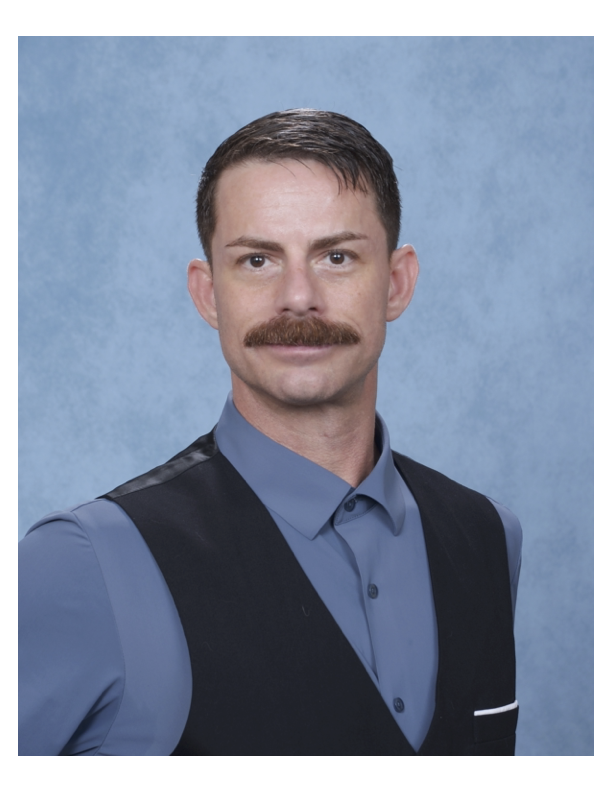
Doug Parsons is a Critical Care Nurse with 15 years of experience and the founder of Djedi Capital, a multifamily real estate investment firm based in Seattle, Washington. He helps healthcare professionals build passive income so they can have real financial options — work less, travel more, and retire on their own terms.